

Finding Your Oasis: Meditation for Inner Peace and Calm
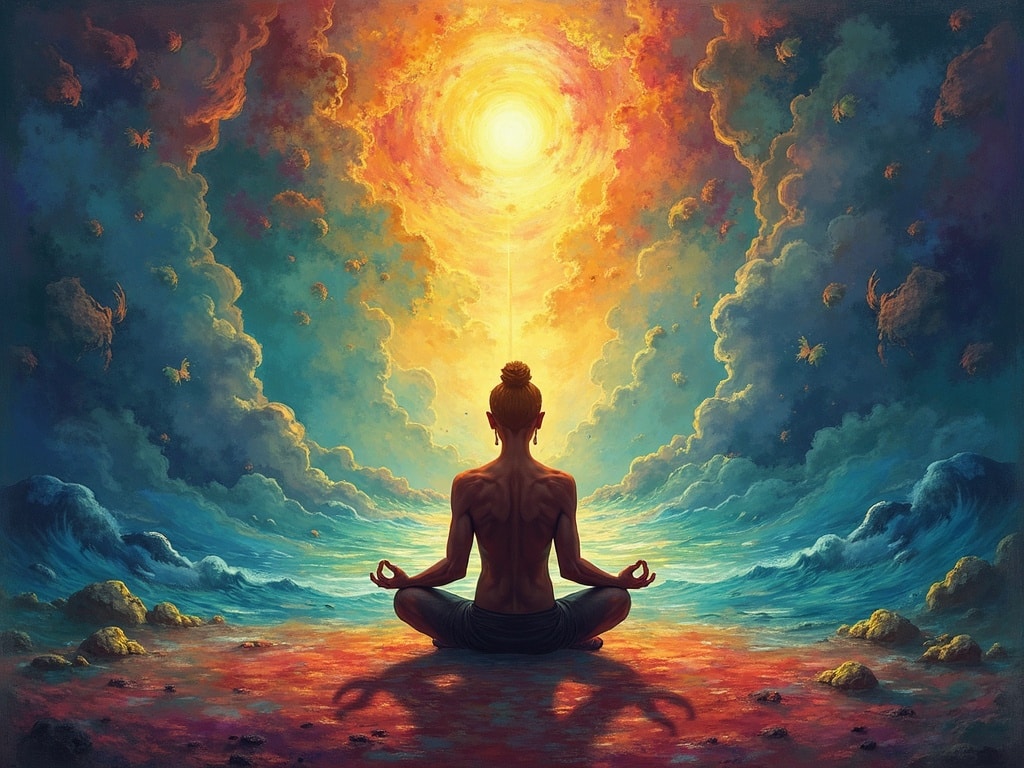
In the whirlwind of modern life, where notifications ping incessantly and demands pull us in every direction, the quest for inner peace can feel like searching for an oasis in a scorching desert. Yet, within each of us lies the potential to cultivate a tranquil sanctuary, a quiet space where calm prevails. Meditation, an ancient practice refined over centuries, offers a proven pathway to access this inner oasis. It's not about escaping reality, but about learning to navigate it with greater resilience, clarity, and a profound sense of peace.
Unlocking the Power of Meditation
Meditation isn't a mystical talent reserved for monks in remote monasteries. It's a skill, accessible to anyone willing to dedicate a few moments each day to quiet the mental chatter and connect with the present moment. At its core, meditation is about training your attention. By focusing on a single point of reference, such as your breath, a mantra, or a visual image, you begin to gently guide your mind away from the swirling currents of thoughts and emotions.
Why Meditate for Inner Peace and Calm?
The benefits of meditation extend far beyond a momentary feeling of relaxation. Regular practice can lead to significant improvements in both mental and physical well-being. Here are just a few ways meditation can foster inner peace and calm:
- Reduced Stress and Anxiety: Meditation helps regulate the nervous system, reducing the production of stress hormones like cortisol.
- Improved Emotional Regulation: By observing your thoughts and emotions without judgment, you gain greater control over your reactions.
- Enhanced Focus and Concentration: Regular meditation strengthens your ability to focus your attention, improving productivity and mental clarity.
- Increased Self-Awareness: Meditation allows you to become more attuned to your inner landscape, understanding your patterns of thinking and behavior.
- Greater Compassion and Empathy: Cultivating mindfulness through meditation fosters a sense of connection to others, promoting kindness and understanding.
- Improved Sleep Quality: Meditation can quiet the racing mind, making it easier to fall asleep and stay asleep.
Getting Started: Simple Meditation Techniques
The beauty of meditation lies in its simplicity. You don't need any special equipment or a dedicated space to begin. Here are a few beginner-friendly techniques to help you embark on your journey to inner peace:
1. Breath Awareness Meditation
This is perhaps the most fundamental and accessible form of meditation. Find a comfortable seated position, either on a chair or on the floor. Close your eyes gently and bring your attention to your breath. Notice the sensation of the air entering and leaving your body. Feel the rise and fall of your chest or abdomen. As thoughts arise (and they will!), gently acknowledge them without judgment and redirect your attention back to your breath. Start with just 5 minutes a day and gradually increase the duration as you become more comfortable.
2. Body Scan Meditation
This technique involves systematically bringing your attention to different parts of your body. Lie down comfortably and close your eyes. Starting with your toes, focus your awareness on the sensations in that area. Notice any feelings of tension, warmth, or tingling. Gradually move your attention up your body, through your feet, legs, torso, arms, neck, and head. If you encounter any areas of discomfort, simply acknowledge the sensation and breathe into it, allowing it to soften and release.
3. Walking Meditation
Meditation doesn't always require sitting still. Walking meditation involves bringing mindfulness to the act of walking. Find a quiet place where you can walk undisturbed. Pay attention to the sensation of your feet making contact with the ground. Notice the movement of your body as you walk. Coordinate your breath with your steps, perhaps inhaling for four steps and exhaling for four steps. If your mind wanders, gently redirect your attention back to the sensations of walking.
4. Loving-Kindness Meditation (Metta)
This practice cultivates feelings of warmth, compassion, and loving-kindness towards yourself and others. Sit comfortably and close your eyes. Begin by directing feelings of loving-kindness towards yourself. Silently repeat phrases such as, May I be well. May I be happy. May I be peaceful. May I be free from suffering. Then, extend these feelings to a loved one, a neutral person, a difficult person, and eventually, to all beings.
Overcoming Common Challenges
Meditation, like any new skill, requires patience and persistence. It's normal to encounter challenges along the way. Here are some common obstacles and how to overcome them:
- A Wandering Mind: It's natural for your mind to wander during meditation. Don't get discouraged. Simply acknowledge the thought and gently redirect your attention back to your chosen point of focus.
- Restlessness: If you find it difficult to sit still, try a walking meditation or a body scan meditation. You can also experiment with different seated positions until you find one that is comfortable.
- Negative Emotions: Meditation can sometimes bring up difficult emotions. Acknowledge these emotions without judgment and allow yourself to feel them fully. If you feel overwhelmed, it may be helpful to consult with a therapist or meditation teacher.
- Lack of Time: Even just a few minutes of meditation each day can make a difference. Start with 5 minutes and gradually increase the duration as you become more comfortable. You can also integrate mindfulness into your daily activities, such as washing dishes or brushing your teeth.
Creating a Consistent Practice
The key to experiencing the full benefits of meditation is to make it a regular habit. Here are some tips for creating a consistent practice:
- Set a Specific Time: Choose a time of day when you are least likely to be interrupted. For many people, this is first thing in the morning or before bed.
- Create a Dedicated Space: Designate aQuiet and comfortable space in your home where you can meditate undisturbed.
- Start Small: Begin with just a few minutes of meditation each day and gradually increase the duration as you become more comfortable.
- Use a Guided Meditation: Apps like Headspace, Calm, and Insight Timer offer a wide variety of guided meditations for different needs and preferences.
- Be Patient and Persistent: It takes time to develop a consistent meditation practice. Don't get discouraged if you miss a day or two. Just get back on track as soon as you can.
Integrating Mindfulness into Daily Life
Meditation isn't just something you do on a cushion. It's a way of being. By cultivating mindfulness in your daily life, you can bring a sense of peace and calm to even the most challenging situations. Here are some ways to integrate mindfulness into your everyday activities:
- Mindful Eating: Pay attention to the taste, texture, and aroma of your food. Eat slowly and savor each bite.
- Mindful Listening: Give your full attention to the person who is speaking. Avoid interrupting or thinking about what you're going to say next.
- Mindful Walking: Notice the sensation of your feet making contact with the ground. Pay attention to the sights, sounds, and smells around you.
- Mindful Driving: Focus on the road and your surroundings. Avoid distractions such as your phone or the radio.
- Mindful Communication: Be aware of your tone of voice and body language. Speak with kindness and compassion.
Mindfulness can also assist with other areas of your life. If you find yourself tossing and turning at night, explore proven mindfulness techniques for better sleep and better quality of life.
The Ripple Effect of Inner Peace
The journey to inner peace is a personal one, but its effects ripple outwards, touching the lives of those around you. As you cultivate greater calm and clarity within yourself, you become more present, patient, and compassionate in your interactions with others. You are better equipped to handle stress and adversity, and you serve as a source of peace and inspiration for those around you.
In conclusion, meditation for inner peace and calm is a powerful tool for navigating the challenges of modern life and cultivating a deeper sense of well-being. By dedicating a few moments each day to quiet the mind and connect with the present moment, you can unlock your inner oasis and experience the transformative benefits of a more peaceful and fulfilling life. So take a deep breath, close your eyes, and begin your journey today.