

Neuroplasticity and Changing Your Mind: How Your Brain Adapts
Imagine your mind as a winding forest path. Each time you tread a certain route, the path becomes more defined, the way more familiar. These well-worn pathways represent your established thoughts, beliefs, and habits. But what if you want to explore a new direction? What if you want to forge a new path through the tangled undergrowth? That’s where neuroplasticity comes in – the remarkable ability of your brain to reorganize itself by forming new neural connections throughout life. It's the science behind your potential to change your mind, your beliefs, and ultimately, your reality.
Understanding Neuroplasticity
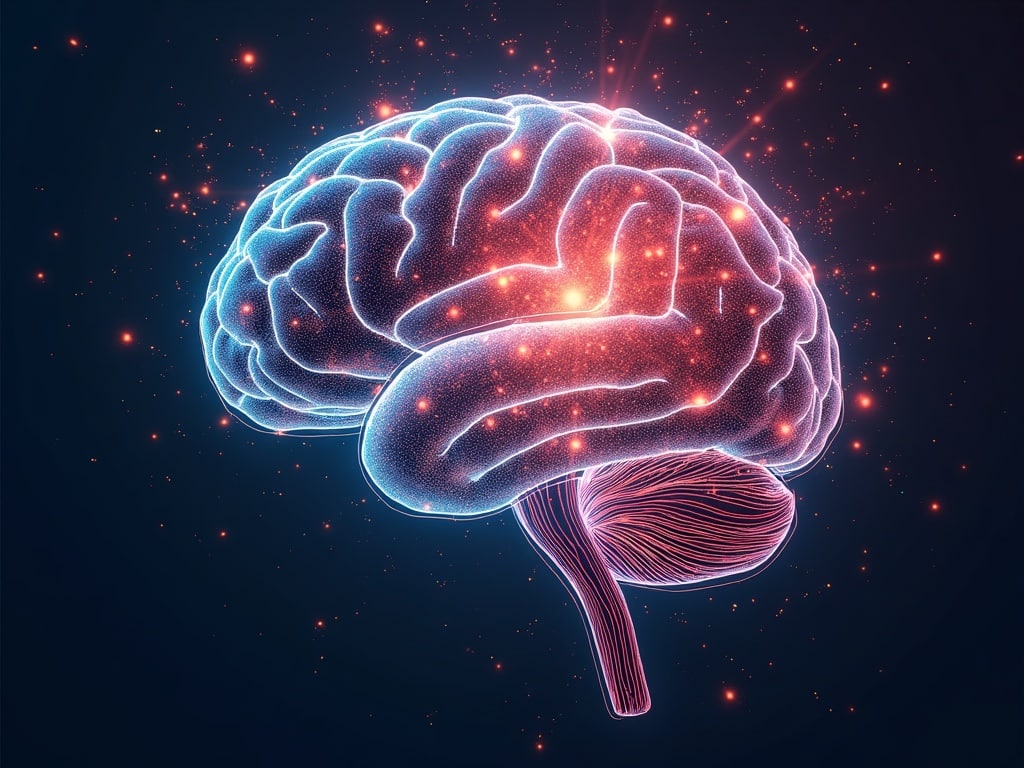
Neuroplasticity, also known as brain plasticity, refers to the brain's capacity to alter its structure and function in response to experience. It's not a static organ, hardwired at birth. Instead, it's a dynamic, ever-evolving landscape, shaped by your thoughts, actions, and environment.
For decades, the prevailing view was that the brain was largely fixed after early childhood. However, groundbreaking research in the latter half of the 20th century revealed the brain's astonishing adaptability. We now know that neuroplasticity continues throughout our lifespan, allowing us to learn new skills, recover from injuries, and even change deeply ingrained beliefs.
The Mechanisms of Change
Neuroplasticity operates through several mechanisms:
- Synaptic Plasticity: This involves changes at the synapses, the junctions between neurons. Repeated activation of a particular connection strengthens that connection, making it easier for neurons to communicate. This is often summarized as neurons that fire together, wire together. Conversely, connections that are not used weaken and eventually disappear.
- Neurogenesis: This is the birth of new neurons, primarily in the hippocampus (associated with learning and memory) and the olfactory bulb (associated with smell). While neurogenesis was once thought to be limited to early development, we now know that it continues, albeit at a slower rate, throughout adulthood.
- Cortical Reorganization: This refers to the brain's ability to remap its functions. For example, after a stroke, the brain can sometimes reroute neural pathways to compensate for damaged areas.
How Neuroplasticity Allows You to Change Your Mind
Your beliefs are essentially neural pathways in your brain. They're patterns of thought and feeling that have become ingrained through repetition and experience. When you hold a belief, certain neurons fire together, strengthening the connections between them. These neural pathways then influence your perceptions, interpretations, and behaviors.
The beauty of neuroplasticity is that it gives you the power to reshape these pathways. You can weaken old, limiting beliefs and create new, empowering ones. It takes conscious effort and consistent practice, but it's entirely possible to rewrite your mental narrative.
Steps to Rewire Your Beliefs
Changing your mind isn't about simply wishing for something different. It requires a deliberate and structured approach:
- Identify the Limiting Belief: The first step is to become aware of the belief you want to change. What thoughts are holding you back? What limitations do you perceive? Write it down specifically.
- Challenge the Belief: Ask yourself: Is this belief absolutely true? What evidence supports it? What evidence contradicts it? Are there alternative explanations? Question the validity of the belief.
- Visualize the New Belief: Create a clear and compelling vision of the belief you want to adopt. How would you feel, think, and act if you held this new belief? Engage your senses and bring the vision to life.
Practices to Strengthen New Neural Pathways
Neuroplasticity thrives on repetition and focused attention. The more you practice a new thought or behavior, the stronger the corresponding neural pathway becomes. Here are some effective techniques:
- Affirmations: Repeating positive statements reinforces positive beliefs. Start with believable affirmations that resonate with you and gradually increase their reach as your conviction grows.
- Mindfulness Meditation: Meditation helps you become more aware of your thoughts and feelings, allowing you to observe them without judgment. This increased awareness gives you the power to interrupt negative thought patterns and choose more constructive ones. Studies have shown that regular meditation can actually increase grey matter in brain regions associated with learning and memory.
- Deliberate Practice: Engage in activities that reinforce the new belief. If you want to believe in your ability to succeed, take on challenging tasks and celebrate your accomplishments, no matter how small.
- Positive Self-Talk: Pay attention to your inner dialogue. Replace negative self-criticism with encouraging and supportive language. Treat yourself as you would treat a friend.
- Surround Yourself with Positive Influences: The people you spend time with can significantly influence your beliefs. Seek out individuals who support your growth and inspire you to reach your full potential.
The Power of Habit and Neuroplasticity
Habits are deeply ingrained neural pathways that operate largely on autopilot. They can be both beneficial and detrimental. Understanding how habits are formed through neuroplasticity is crucial for changing your mind and behavior.
The habit loop consists of three components: a cue, a routine, and a reward. The cue triggers the behavior, the routine is the behavior itself, and the reward reinforces the behavior, making it more likely to occur again in the future. To break a bad habit or create a new one, you need to disrupt this loop.
Strategies for Habit Change Based on Neuroplasticity
- Identify the Cue: What triggers the unwanted behavior? Once you know the cue, you can avoid it or modify it.
- Change the Routine: Replace the unwanted behavior with a new, more desirable one. For example, if you tend to reach for junk food when you're stressed, try going for a walk or practicing deep breathing instead.
- Reinforce the Reward: Make sure the new behavior is rewarding in some way. This could be through positive self-talk, a small treat, or simply the satisfaction of knowing you're making progress.
Overcoming Challenges and Embracing the Process
Changing your mind and rewiring your brain can be challenging. It requires patience, persistence, and a willingness to embrace discomfort. There will be times when you feel like giving up, when old beliefs and habits seem too powerful to overcome.
It's important to remember that neuroplasticity is a process, not an event. It takes time and consistent effort to create lasting change. Don't get discouraged by setbacks. View them as opportunities to learn and grow.
Tips for Staying Motivated
- Set Realistic Goals: Don't try to change everything at once. Focus on one or two key beliefs or habits at a time.
- Break Down Large Goals into Smaller Steps: Make the process more manageable by breaking it down into smaller, more achievable steps.
- Track Your Progress: Keeping track of your progress can help you stay motivated and see how far you've come.
- Celebrate Your Successes: Acknowledge and celebrate your accomplishments, no matter how small.
- Seek Support: Connect with others who are on a similar journey. Share your experiences, offer encouragement, and learn from each other.
The Lifelong Potential for Change
Neuroplasticity is a testament to the human brain's remarkable capacity for adaptation and growth. It's a reminder that you are not defined by your past experiences or your current limitations. You have the power to change your mind, your beliefs, and ultimately, your life. By understanding the principles of neuroplasticity and applying them consciously, you can unlock your full potential and create a future that is aligned with your dreams. Embrace the journey, be patient with yourself, and remember that with consistent effort, you can rewire your brain and transform your reality.